
8-Step Framework for Health Coaches to Build On-Camera Confidence and Attract Clients
Video content has become the primary driver of client acquisition for modern health professionals. According to recent industry data, over 80% of consumers report that video content has influenced their purchasing decisions for health and wellness services. This shift means that health coaches who hesitate to appear on camera are leaving significant revenue on the table. The barrier is rarely a lack of expertise. It is usually a lack of technical confidence and a structured approach to digital presence. This guide provides a proven methodology to overcome that hesitation and build a scalable video strategy.
Step 1: Define Your Specific Niche
Before you hit record, you must clarify who you are helping. General health coaching is too broad to attract high-intent clients. You need to identify a specific pain point and a specific demographic. For example, instead of "weight loss," focus on "postpartum metabolic recovery for busy professionals." This specificity allows you to speak directly to the viewer's immediate needs. When your message is precise, your confidence naturally increases because you are speaking to a known audience. Visit our coaching programs page to see how specialized tracks drive better outcomes.
Step 2: Optimize Your Basic Setup
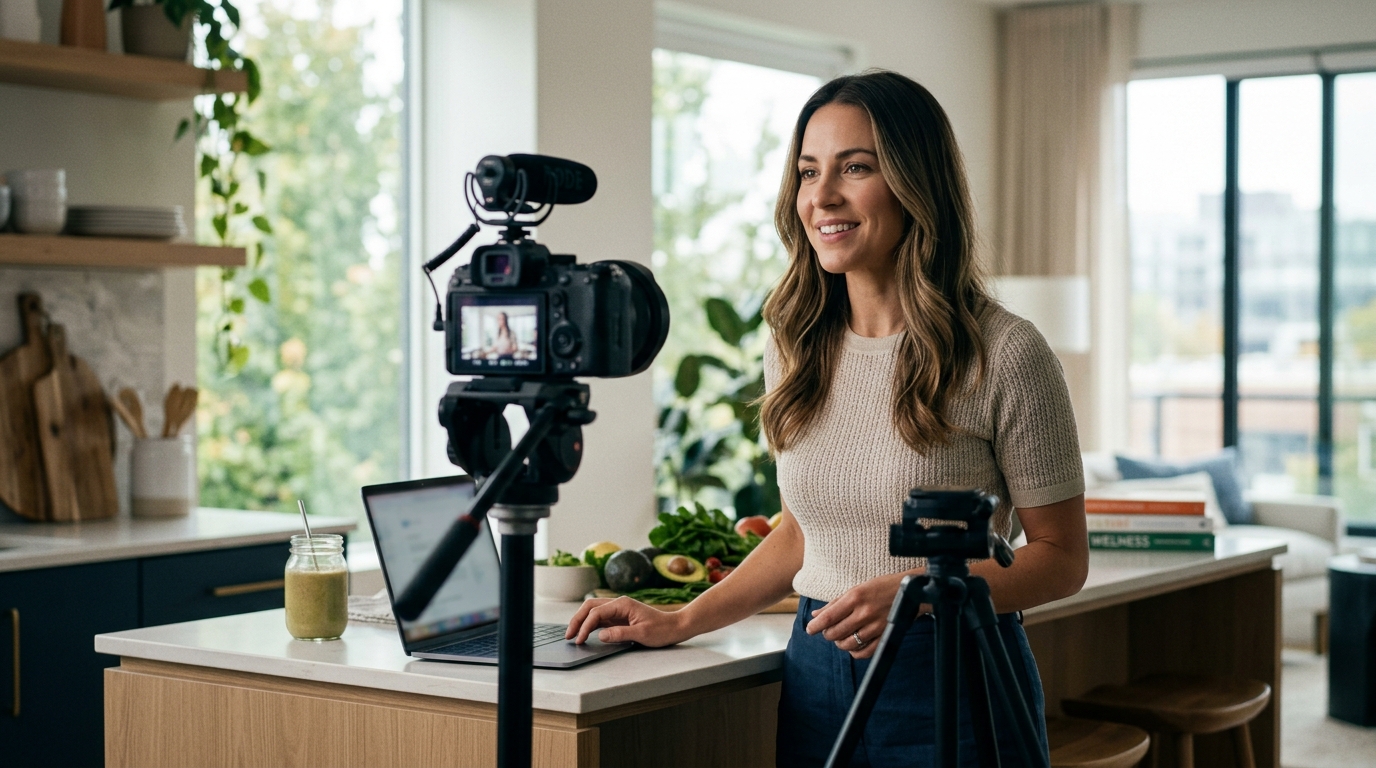
High production value is not required for initial success. However, basic technical standards are non-negotiable. Poor audio quality is the fastest way to lose viewer attention. Invest in a dedicated microphone rather than relying on your camera's built-in mic. Lighting should be soft and frontal to eliminate harsh shadows on your face. Natural light from a window is a free and effective alternative to expensive ring lights. A clean, uncluttered background signals professionalism. Check our equipment guide for affordable recommendations that fit any budget.
Step 3: Master the Scripting Framework
Ad-libbing on camera often leads to rambling and loss of key points. Use a structured framework for every video. A common model is the Problem-Agitate-Solution framework. Start by stating the viewer's problem. Agitate the emotional impact of that problem. Finally, offer your solution as the health coach. This structure keeps your content tight and valuable. It also reduces anxiety because you know exactly where the video is going. Learn more about our content strategy methodologies to refine this approach.
Step 4: Establish a Practice Routine
Confidence is a muscle that requires regular exercise. Schedule short, low-stakes recording sessions before you publish. Record yourself answering common client questions. Watch the playback critically but kindly. Note areas where you stumbled or spoke too quickly. Adjust your pacing and tone in the next take. This iterative process builds familiarity with your on-camera persona. Over time, the camera becomes a conversation partner rather than an adversary. Explore our coaching masterclass for deeper drills on delivery.

Step 5: Implement Engagement Tactics
Video is not a monologue. It is a dialogue with your audience. Ask direct questions in your videos to prompt comments. Use calls to action that encourage viewers to share their own experiences. Respond to every comment within the first 24 hours of posting. This activity signals to algorithms that your content is valuable. It also builds a community around your brand. Engagement is a key metric for social media growth in the wellness sector.
Step 6: Prioritize Consistency Over Perfection
Many health coaches wait for the perfect video. That video never comes. Consistency builds trust with your audience. Aim for a realistic schedule, such as one high-quality video per week. It is better to publish imperfect content regularly than to publish perfect content sporadically. Your audience wants to see your progress and your personality. They connect with authenticity more than polish. Read our article on consistency in coaching to maintain momentum.
Step 7: Analyze and Iterate
Data reveals what your intuition cannot. Review your video analytics weekly. Look at retention rates to see where viewers drop off. Identify which topics generate the most comments and shares. Use this data to refine your future content. If a specific format performs well, create variations of it. This data-driven approach ensures your efforts yield the highest return. For advanced metrics, check our analytics dashboard resources.
Step 8: Scale Your Content Strategy
Once you have mastered the basics, expand your reach. Repurpose long-form videos into short clips for social media. Create email newsletters that summarize your video insights. Collaborate with other health professionals to cross-pollinate audiences. Scaling is not about working harder. It is about working smarter with your existing assets. Our business growth services can help you automate this expansion.
Key Takeaways
- Video content drives over 80% of consumer purchasing decisions in the health sector.
- Specific niches attract higher-intent clients than general health advice.
- Audio quality is more critical than video resolution for viewer retention.
- The Problem-Agitate-Solution framework simplifies scripting and reduces anxiety.
- Consistency builds trust more effectively than occasional perfection.
- Engagement tactics like direct questions boost algorithmic visibility.
- Data analytics should guide content refinement and topic selection.
Frequently Asked Questions
How often should health coaches post video content?
Consistency is key. Posting one to three times per week is ideal for building momentum without causing burnout. Quality should always take precedence over quantity.
What is the best lighting for on-camera health coaching?
Natural light from a window is the most flattering and cost-effective option. If using artificial light, position it in front of you to avoid shadows on your face.
Do I need expensive equipment to start?
No. A smartphone with a good camera and a basic external microphone are sufficient to start. Focus on your message before investing in high-end gear.
How do I overcome camera shyness?
Practice is the only cure. Record short, unposted videos daily to become comfortable with your own voice and image. Over time, the fear diminishes.
What is the most important metric to track?
Watch time and retention rate are the most important metrics. They indicate whether your content is engaging enough to keep viewers interested.
Can I repurpose my video content?
Yes. You can turn video scripts into blog posts, social media captions, and email newsletters. This maximizes the value of your effort.
How do I attract clients through video?
Include clear calls to action in your videos. Direct viewers to a landing page or booking link where they can learn more about your services.
Ready to Transform Your Coaching Business?
Building on-camera confidence is a journey that yields significant rewards. By following this eight-step framework, you can attract more clients and grow your practice. Inspired Living TV is here to support your journey. Visit our home page to explore our full range of coaching and content services. Book a consultation today to start your transformation.